
Keys to Literacy Leadership: A Conversation with Pati Montgomery
Keys to Literacy has spent years helping teachers strengthen reading and writing instruction in their classrooms. This month, we’re turning our attention to the person standing just outside that classroom door: the building leader. Keys to Literacy Leadership is a new professional learning course designed for elementary principals and instructional leaders who want to lead literacy improvement with more clarity and confidence — and it was built around the expertise of Pati Montgomery, KTL Senior Education Officer, whose work with school leaders across the country has shaped how we think about literacy leadership at Keys to Literacy. We sat down with Pati to talk about why this course exists, who it’s for, and what she expects leaders to walk away with.
QUESTION: What is Keys to Literacy Leadership, and why did you create it?
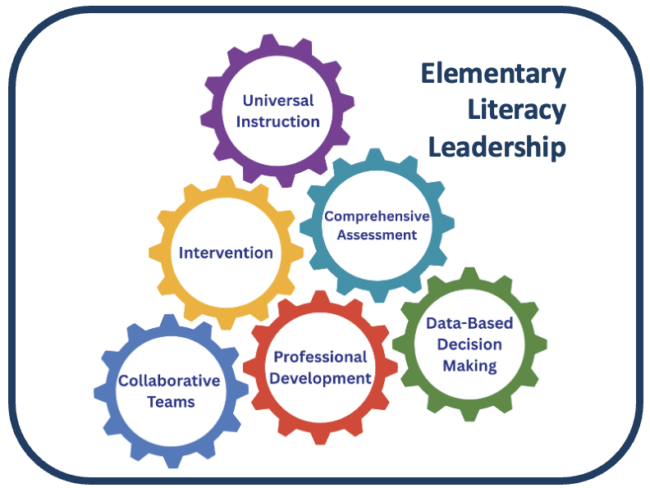
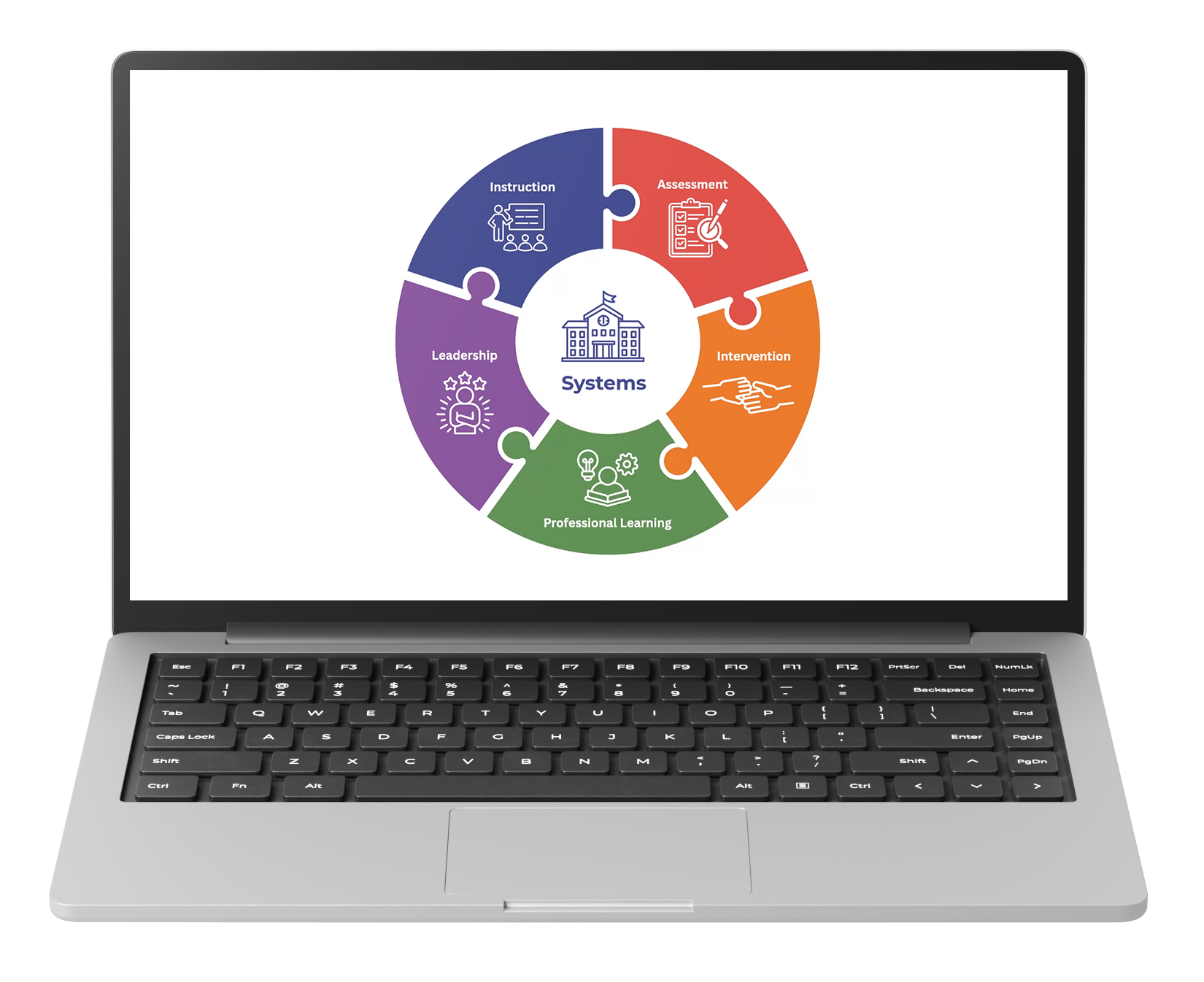 Keys to Literacy Leadership is an eight-module course, plus a capstone, built for building, district, and state leaders responsible for improving K-5 literacy outcomes. It walks leaders through the full arc of what it takes to run a coherent literacy system: shared beliefs and vision, foundational literacy knowledge, universal instruction, assessment, intervention, data-based decision making, professional development, and collaborative teams.
I created this course because I kept being asked to address the same gap in schools across the country. Teachers were getting excellent, evidence-based professional development, but the leaders above them — the principals and instructional leaders responsible for supporting that instruction — often hadn’t had the same depth of training. They were being asked to evaluate literacy instruction, lead data conversations, and make system-level decisions without always having the foundational knowledge to do it with confidence and effectiveness. This course is meant to close that gap.
QUESTION: Who should take this course, and what will they walk away with?
This course is for building, district, and state leaders responsible for improving K-5 literacy outcomes for students — elementary principals, assistant principals, instructional coaches, and district literacy leaders.
By the end, leaders will be able to recognize strong literacy instruction during a walkthrough, ask sharper questions in data conversations, give feedback that actually moves practice forward, and strengthen the structures they already have — PLCs, leadership teams, coaching cycles, data routines, and professional learning — rather than start from scratch. And every leader leaves with a focused 90-day action plan built around a real challenge in their own school.
QUESTION: How is this course organized?
The course is built around eight modules, each three to five hours, followed by a four-hour capstone:
- Module 1: Shared Beliefs and Vision — establishing a shared literacy vision and connecting beliefs to daily practice
- Module 2: Foundational Knowledge — understanding how students learn to read and write, and how that knowledge should inform leadership decisions
- Module 3: Universal Instruction — recognizing strong Tier 1 instruction and structured literacy in action, including for multilingual learners and students with disabilities and what a quality literacy block actually looks like
- Module 4: Comprehensive Assessment — using screening, diagnostic, progress-monitoring, and outcome data to guide instruction
- Module 5: Intervention Systems — building effective Tier 2 and Tier 3 systems that accelerate learning without pulling students away from Tier 1
- Module 6: Data-Based Decision Making — structuring data conversations so they lead to action
- Module 7: Ongoing Professional Development — designing PD and coaching that actually changes instruction
- Module 8: Collaborative Teams — clarifying roles and keeping PLCs and leadership teams focused on the highest-impact work
Every module includes pre- and post-assessments, readings, interactive activities, exemplar videos, and reflection and planning exercises tied to each leader’s own context. Nothing sits abstract for long — leaders are applying what they learn to their own building throughout.
QUESTION: Tell us about the capstone experience.
The capstone, Literacy Leadership in Action, is where everything comes together. Leaders apply what they’ve learned to a current literacy challenge in their own school: they analyze strengths, gaps, and evidence across their literacy system, identify the highest-leverage instructional challenge to tackle first, and build a focused 90-day action plan that’s practical and system-aligned.
I designed the capstone this way on purpose. Leadership training can too easily stay in the realm of reflection. This course is built to move leaders from reflection to implementation — they leave with a real plan for their own building, not just new knowledge.
QUESTION: What led you to focus specifically on elementary leadership?
I’ve always loved the craft of teaching. As a principal myself, I would attend every offered professional development along with my teachers. When I attended the sessions, I would reflect on how I would implement something if it were my classroom. I would then create ways to support my teachers so that they could be successful in their classrooms.
As a principal, my teachers would often say that they received a lot of instructional feedback from me and how much they appreciated that. They would then say, you should teach other principals how to do this. That was when I began to understand that instructional leadership is not just about evaluating teachers, it is about learning alongside them and helping them translate good ideas into daily practice.
Across every school and district I’ve worked with, the pattern holds: literacy outcomes shift when leaders understand instruction deeply enough to support it, not just supervise it. Elementary leaders are uniquely positioned to do that — they can see across every classroom, every grade level, every tier of support in their building. When they lead with that kind of clarity, it changes what’s possible schoolwide.
QUESTION: What do you expect leaders will experience differently in their buildings after completing this course?
I built the course so leaders will walk back into their building with more clarity about where to focus, more confidence to have honest conversations about instruction, and a plan that’s actually theirs — built around their students, their teachers, and their real constraints. Literacy improvement isn’t a program you install. It’s a system that leaders build, one aligned decision at a time. This course gives leaders the foundation and the tools to build that system well.
A copy of the companion text, It’s Possible (2025), co-authored by Pati Montgomery and Angela Hanlin is included with full course registration.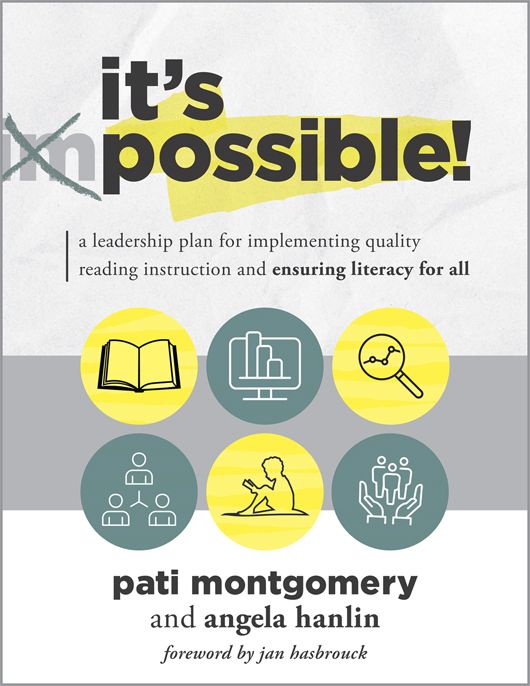
Interested in learning more? Reach out to our team to start the conversation!
About Pati Montgomery
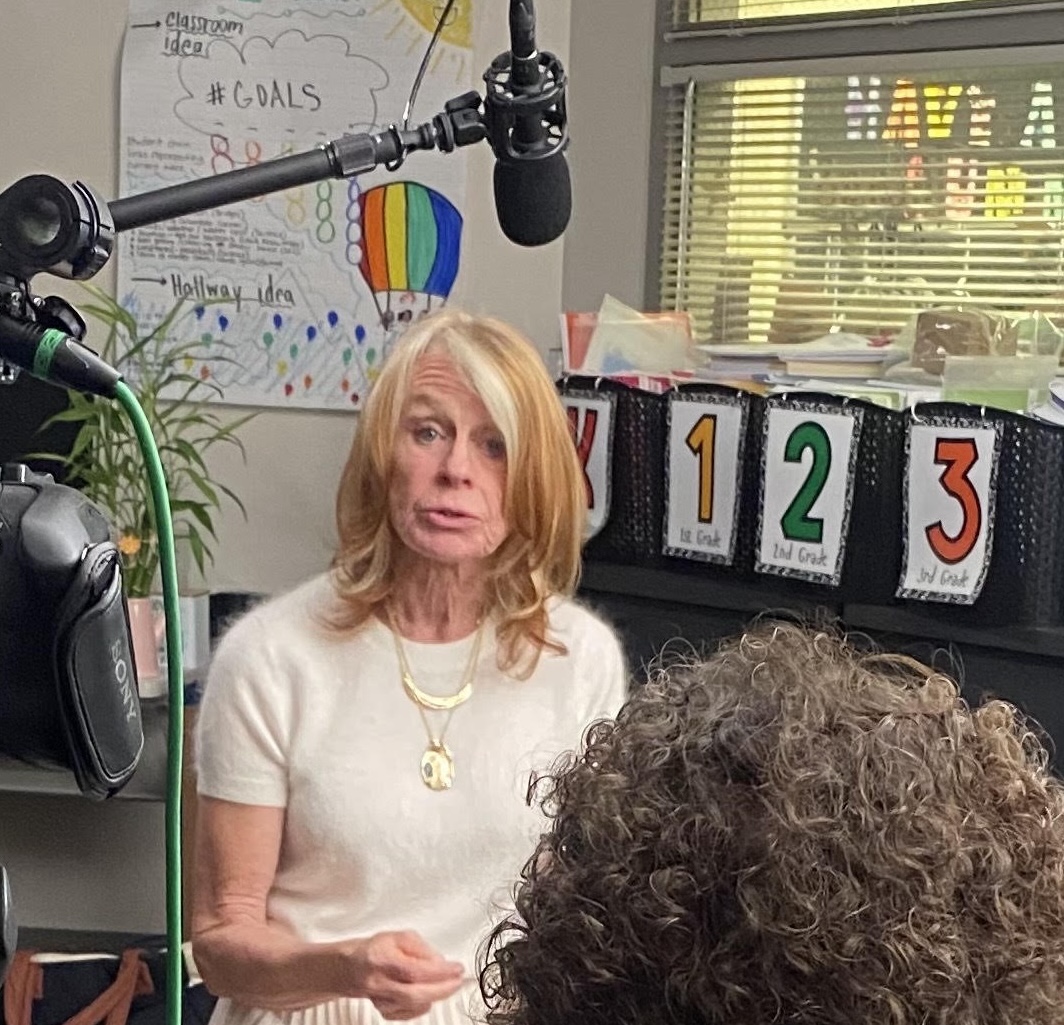 Pati Montgomery, Keys to Literacy Senior Education Officer, is an accomplished national educational expert specializing in principal and school leadership development. She previously served as executive director of literacy for the Colorado Department of Education, where she led implementation of the READ Act. Pati founded Schools Cubed in 2015, and the company became a part of Keys to Literacy in 2024. The team works with districts across the country to build high-achieving literacy systems. A former teacher, principal, and district administrator, Pati has worked with principals nationwide on the systems and structures that drive literacy outcomes. She is the lead author of It’s Possible: A Leadership Plan for Implementing Quality Reading Instruction and Ensuring Literacy for All, co-written with Angela Hanlin, as well as A Principal’s Primer for Raising Reading Achievement. Pati has been recognized by the International Dyslexia Association, ARC, and ExcelEd for her leadership in literacy.
Wendy Amato
 Wendy Amato brings over four decades of experience in education, ranging from classroom teaching to administration to leadership coaching. She serves as K12 Coalition's Chief Academic Officer and is especially committed to improving literacy outcomes for students.
Leave a Reply